
The Top Banking Laws and Regulations Shaping the Industry in 1H 2026
Jul 23, 2026, 12:00 PM GMT-4 | By Frank GarganoThe first half of the year introduced a wave of new and final regulatory efforts across the financial services industry, from rules on bank chartering and reputational risk to possible improvements to cross-border transactions and housing affordability.
This KBRA Financial Intelligence (KFI) analysis dives into the top six pending and enacted pieces of legislation that bank and credit union leaders need to know about to remain competitive.
Legislation and Court Decisions to Keep in Mind

Source: Unsplash
12 CFR Part 5 – National Bank Chartering
Announcement Date: January 12
Official Source: Office of the Comptroller of the Currency (OCC)
Summary: The OCC sought to amend its rule related to chartering national banks in an effort to “clarify the longstanding authority of national banks limited to the operations of trust companies and activities related thereto to engage in non-fiduciary activities in addition to their fiduciary activities,” according to the original proposed notice of rulemaking.
Who Is Impacted: Existing national trust banks, companies applying for a national trust-bank charter, custody banks, financial technology firms considering limited-purpose national charters.
Why It Matters: Prior language added in 2003 created confusion among bankers regarding the OCC’s chartering authority, specifically in distinguishing the capabilities of national trust bank activities and those of a controlled trust company. This new rule clarifies this confusion by replacing “fiduciary activities” with “the operations of a trust company and activities related thereto” and aligns with the OCC’s stance that national trust banks are permitted to engage in both fiduciary and related non-fiduciary activities.
Current Status: Final rule issued on March 2.
Source: Federal Reserve
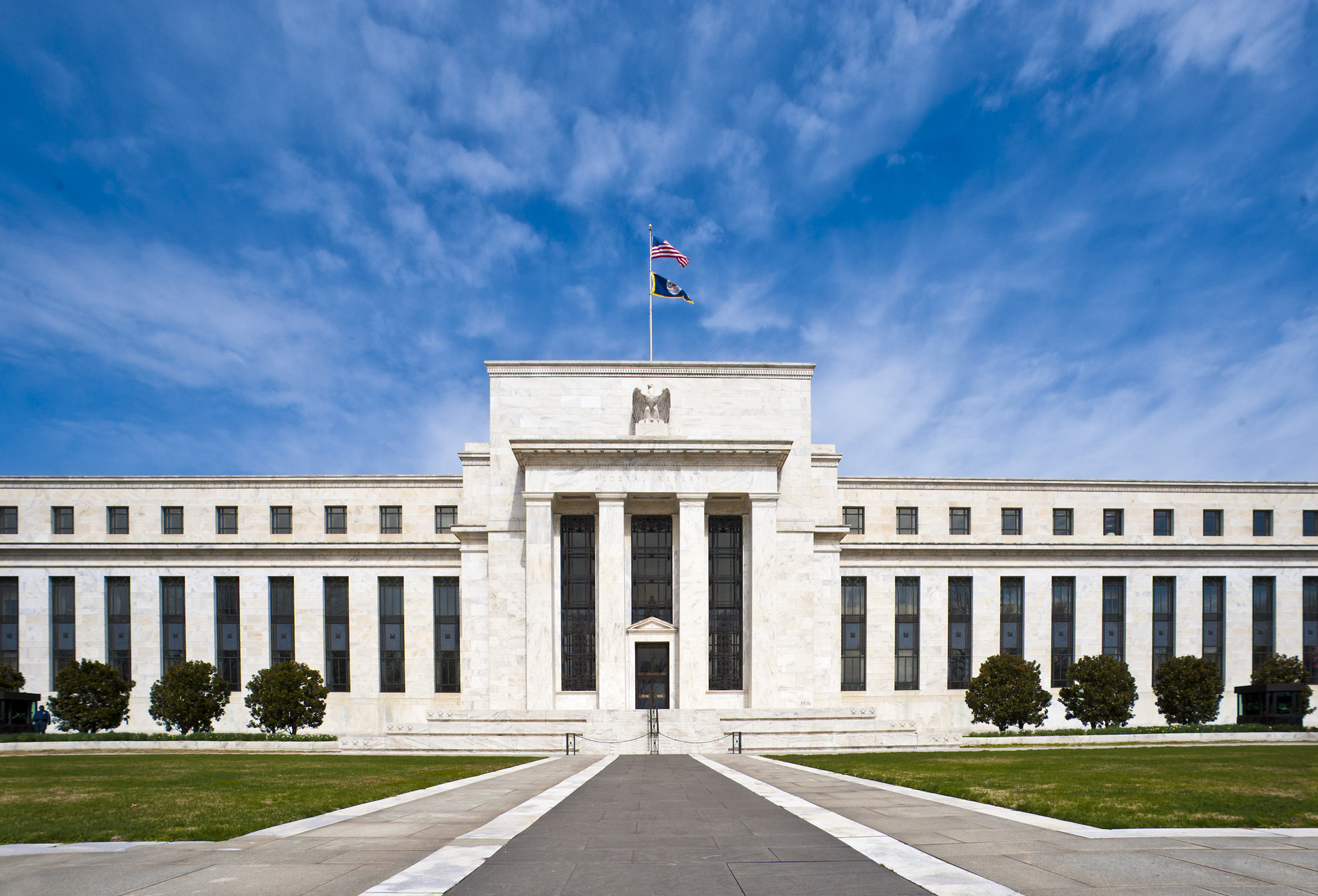
12 CFR Part 262 – Removal of Reputational Risk
Announcement Date: February 23
Official Source: Federal Reserve Board of Directors
Summary: The proposal seeks to prevent the Board from encouraging or compelling Board-supervised financial institutions from “deny[ing] or condition[ing] the provision of banking or other financial products or services to an individual or business based on their constitutionally protected political or religious beliefs, associations, speech, or conduct, or based on involvement by the individual or business in politically disfavored but lawful business activities perceived to present reputation risk,” per the published notice in the Federal Register.
Who Is Impacted: Bank holding companies, savings and loan institutions, state member banks, and covered subsidiaries of these institutions.
Why It Matters: Regulators with the FDIC, National Credit Union Administration (NCUA), and the OCC have all launched similar efforts to do away with reputational risk where examination and supervision are concerned, and this proposal at the Fed would cement an earlier June 2025 effort into law.
Reduced regulatory pressure will grant individual institutions more control over the types of clientele they choose to offer financial services to, but it does not remove the Fed’s ability to enforce laws involving the Bank Secrecy Act (BSA), fair lending, and other regulations where relevant.Current Status: Comment period closed April 20; awaiting further progress.
21st Century ROAD to Housing Act
Announcement Date: March 2
Official Source: U.S. Senate Committee on Banking, Housing, and Urban Affairs
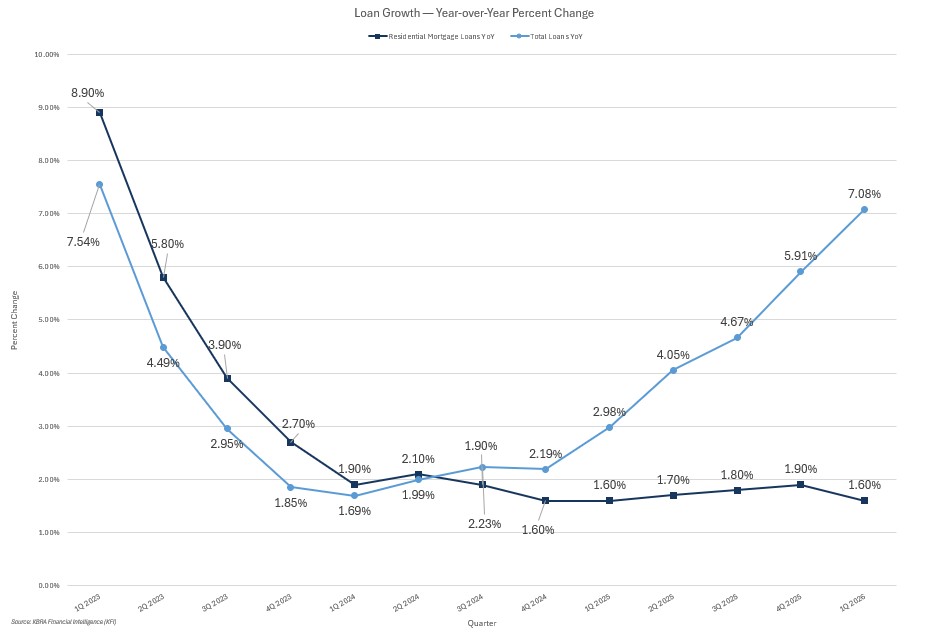
Summary: The bipartisan housing package sought to address shortcomings in homeownership, housing supply, and related regulatory hurdles through provisions that would open the door for financial institutions to wade deeper into affordable and low-income housing lending markets.
Who Is Impacted: Financial institutions involved in mortgage lending, construction finance, affordable housing, and servicing.
Why It Matters: The numerous provisions included in the package created new pathways that allow banks and credit unions to expand or establish a presence in consumer bases tied to manufactured housing, low-income housing, small-dollar mortgages, and many more.
Read KFI’s exclusive analysis of the package here.Current Status: Legislation became law on July 11 following a 10-day waiting period after President Trump declined to officially sign the bill.
12 CFR Part 210 – Adjustments to FedNow access
Announcement Date: April 8
Official Source: Federal Reserve Board
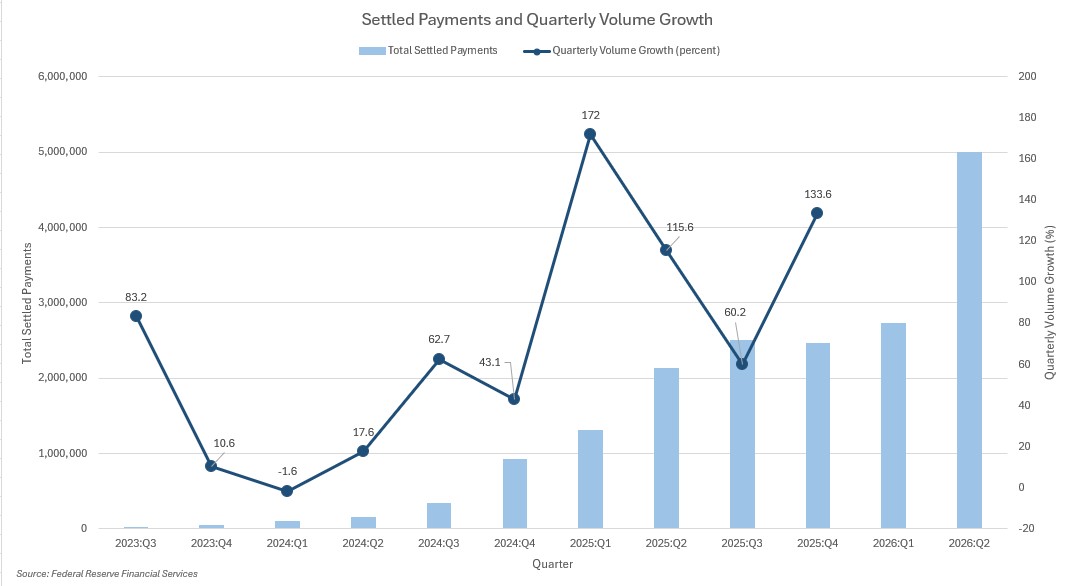
Summary: The proposed rule seeks to allow institutions enrolled in FedNow to send funds transfers through FedNow using intermediary institutions other than Reserve Banks, promoting cross-border payment transactions using international correspondent banks to handle the foreign portion of transactions, while FedNow handles the domestic portion.
Who Is Impacted: Banks and credit unions seeking to get involved with real-time payments systems.
Why It Matters: Currently, FedNow only permits transfers involving originating U.S. banks and credit unions, one or more Federal Reserve Banks, and the receiving U.S. bank or credit union. Amending Section 210.45(b) would allow senders to designate that a Reserve Bank send a payment order to an intermediary bank that is not another Reserve Bank, such as an international bank with connections to payment rails within that region. An important distinction is that while transactions might be instant within the U.S., there is no such guarantee when it comes to institutions abroad.
These correspondents could help institutions of all asset sizes better compete in the real-time payments space and create opportunities for new product lines around foreign and domestic payments.Current Status: Comment period closed on June 9; awaiting further Board action.

Source: Unsplash
H.R.3234 – Keeping Deposits Local Act
Announcement Date: May 7, 2025
Official Source: U.S. Senate Committee on Banking, Housing, and Urban Affairs
Summary: The proposed bill sought to raise the amount of reciprocal deposits that insured depository institutions can accept and to establish a tiered system where that amount is dependent on an institution’s total liabilities.
Who Is Impacted: Well-capitalized banks and other institutions with a CAMELS rating of 1, 2, or 3.
Why It Matters: Instead of a flat limit of $5 billion or 20% of an institution’s total liabilities, the new system excludes reciprocal deposits from brokered-deposit treatment according to the following breakdown:
- Fifty percent of the first $1 billion in total liabilities
- Forty percent of total liabilities between $1 billion and $10 billion
- Thirty percent of total liabilities between $10 billion and $250 billion
The guidelines for what is considered an eligible institution have also been expanded to include institutions that are well capitalized with a composite CAMELS rating of 1, 2, or 3.Current Status: Provisions from the bill were included in the 21st Century ROAD to Housing Act prior to its passing.

President Donald Trump (right) at Federal Reserve Chairman Kevin Warsh's swearing in (Source: The White House)
Announcement Date: June 29
Official Source: The Supreme Court
Summary: The 6-3 decision by the Supreme Court to uphold the firing of former Federal Trade Commissioner Rebecca Slaughter creates legal ground for Trump to remove the heads of independent agencies without cause, overruling the longstanding precedent established by Humphrey’s Executor v. United States.
Who Is Impacted: NCUA, FDIC, OCC, and other regulatory agencies.
Why It Matters: The majority opinion in the Slaughter case stated that “although it is up to the Senate to decide whether to confirm those with whom the President would prefer to work, neither Congress nor the courts may saddle him with those with whom he cannot work.”
“Subordinates who exercise the President’s power are subject to removal by him …. Then, and only then, can they remain accountable to the President, and the President to the people,” Chief Justice Roberts, writing for the majority, said.
Save for the Fed, the tenure of leaders of agencies that exercise any kind of executive power is now subject in large part to the discretion of the president, rather than to for-cause limits such as “inefficiency, neglect of duty, or malfeasance in office” established under Humphrey’s Executor.
Read the full KFI analysis here.Current Status: In effect as of June 29.
Note: Commentary and opinions expressed by individuals who are not affiliated with KBRA Analytics do not necessarily reflect the views of KBRA Analytics, KBRA, or their employees. Such commentary is included solely to provide relevant industry perspectives.